
Cultural lenses on gambling Exploring diverse perspectives around the world
Gambling has been an integral part of human society for centuries, with its roots tracing back to ancient civilizations. From the gambling games played in ancient China and Rome to the betting practices of indigenous tribes, the historical significance of gambling reveals much about cultural values and social norms. In many cultures, gambling has been viewed as a form of entertainment and social interaction, while in others, it carries a stigma or is associated with moral concerns. With the emergence of the internet, a new realm has developed, allowing players to explore options like casino not on gamstop that offer flexibility in gaming experiences.
As societies evolved, so too did the regulations and perceptions surrounding gambling. For instance, in the United States, gambling took on new forms during the Gold Rush era, while in Europe, the establishment of formal casinos in the 18th century marked a shift toward organized gambling. These historical developments have shaped modern attitudes toward gambling, influencing everything from legislation to the types of games that are popular in different regions.
In many Asian cultures, gambling is deeply rooted in traditions and festivals. Countries like China celebrate events like the Lunar New Year with various gambling games, where the act of betting is seen as a way to invite prosperity and luck for the coming year. Mahjong, a popular tile-based game, is not only a source of entertainment but also a social activity that strengthens familial and community bonds.
However, perspectives on gambling can vary significantly across the continent. For instance, while some areas embrace it, others, such as certain regions in Southeast Asia, maintain strict prohibitions. These contrasting views highlight the influence of religious beliefs and government regulations, impacting how gambling is perceived and practiced across different cultures.
In Western cultures, gambling is often seen through a lens of personal freedom and choice. The establishment of casinos and online gambling platforms reflects a growing acceptance, with many viewing it as a form of entertainment akin to any other leisure activity. However, there is also a critical discourse surrounding gambling addiction and its societal implications, leading to calls for responsible gambling practices.
Countries like the United States have a complex relationship with gambling, marked by a patchwork of state regulations. Some states embrace casinos and sports betting, while others impose strict limitations. This divergence is indicative of cultural attitudes toward risk, personal responsibility, and the moral implications associated with gambling.
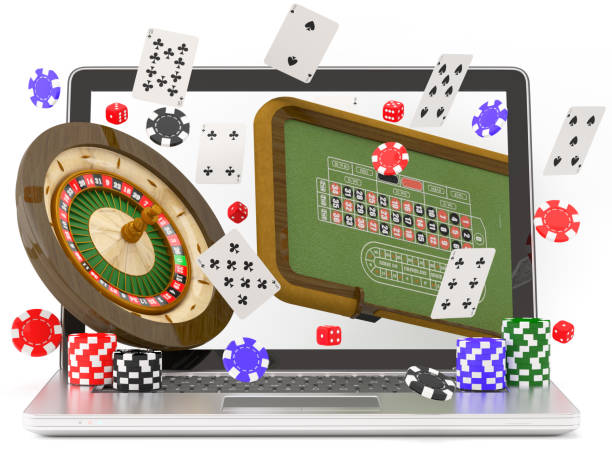
With the advent of technology, gambling has transformed dramatically, especially through the rise of online casinos. The convenience and accessibility offered by digital platforms have attracted a broader demographic, changing traditional views on gambling. Many see online gambling as a safe and discreet way to engage in gaming, while others express concerns over regulation and the potential for addiction.
Moreover, the integration of technologies like blockchain and cryptocurrencies into gambling has created new opportunities and challenges. While these innovations promise enhanced security and transparency, they also raise questions about anonymity and regulation. As technology continues to evolve, so will the cultural perceptions of gambling, prompting ongoing discussions about ethics and responsibility.

At our website, we strive to provide a comprehensive overview of the global landscape of gambling, offering insights into various cultural perspectives. Our curated lists of non-GamStop casinos cater to players seeking an expansive and flexible gaming experience, reflecting the diverse ways gambling is embraced around the world.
By emphasizing fair play, rapid payouts, and customer support, we aim to create a responsible environment for gaming enthusiasts. Our expert reviews and comparisons serve as valuable resources, ensuring that users can make informed decisions about their gambling preferences while navigating the intricate cultural lenses that shape the industry.